Tocho-mae Station, on the Oedo Subway Line, is in the basement of Tokyo Metropolitan Government Building. From Shinjuku station (Shinjukunishiguchi) the fee is only 180 yen (1,31€). Or you can just walk from the west end of the JR Train Station, since it's only a ten minute walk.

August 21, 2014
Shinjuku - Metropolitan Government Office Building (How To Go)

Shinjuku - Metropolitan Government Office Building (South Observation Deck)
 |
| The observation deck is on the 45th floor. |
 |
| Roppongi |
 |
| Meiji |
 |
| Tokyo Skytree |

South Observatory Hours: 9:30 to 17:30 (until 23:00 when North Observatory is closed)
South Observatory Closed: 1st and 3rd Tuesday of each month (next day if national holiday)December 29 to January 3 (except January 1)Admission:Free

 |
| Nakano Ward |

 |
| Tokyo Tower |

August 12, 2014
Shinjuku - Metropolitan Government Office Building (North Observation Deck)

Tokyo Metropolitan Government Building has not one but two free observation decks which provide a good panoramic view of the city. The building measures 243 meters and the observation decks are located at 202 meters high from the ground.
 |
| Souvenir Shop |
With favorable weather conditions you can see famous landmarks, such as Mount Fuji, the Tokyo Skytree, Tokyo Tower, the Meiji Shrine, among others. Each observatory has a cafe and a souvenir shop. The North Observatory remains open until late, proving night views of the city.
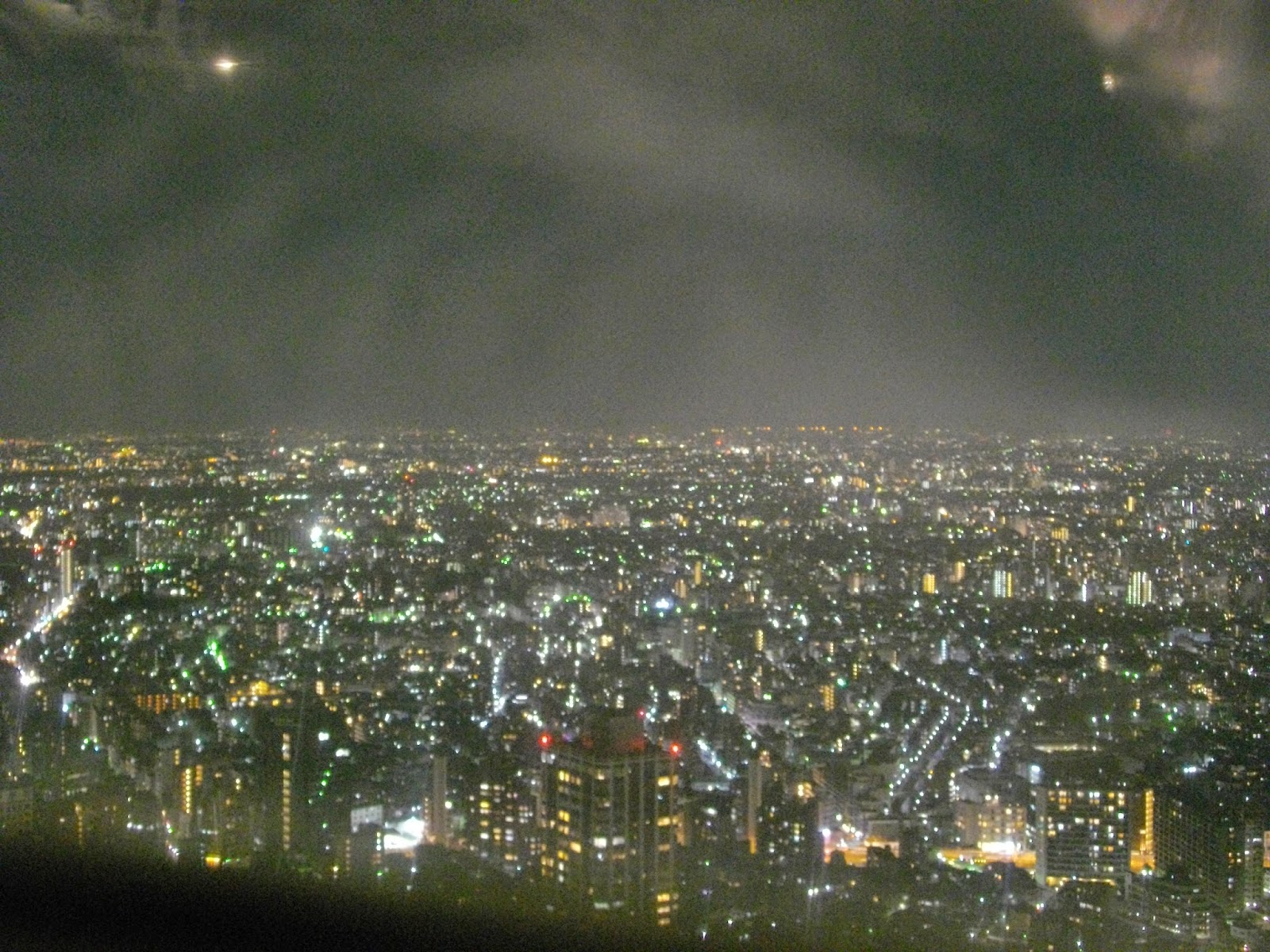
North Observatory Hours:9:30 to 23:00 (entry until 22:30)
North Observatory Closed: 2nd and 4th Monday of each month (next day if national holiday)
December 29 to January 3 (except January 1)
Admission:Free
 |
| View of Nakano |


 |
| Tokyo tower |
I'm sorry for the bad quality of some pictures (^,^'')
Shinjuku - How To Get There
The Shinjuku Station is served by several trains, including the JR Yamanote Line, Oedo Subway Line and the Marunouchi Subway Line.
From Tokyo StationThe Orange trains on the JR Chuo Line (rapid service) take less than 15 minutes and costs 200 yen (1,46€) without needing to transfer.
From Ueno StationThe JR Yamanote Line only takes 25 minutes and also costs 200 yen (1,46€). Also doesn't need to transfer.The JR Yamanote Line or JR Keihin-Tohoku Line from Ueno to Kanda Station and then the JR Chuo Line from Kanda to Shinjuku will only take about 21 minutes and costs approximately 200 yen (1,46€).
Shinjuku - What To See

Shinjuku is the largest entertainment, business and shopping area around Shinjuku Station. This station handles more than two million passengers every day and it is served by around a donzer railway and subway lines. It's also one of Tokyo's major stops for long-distance highway buses and city buses.

West of the station is Shinjuku's skyscraper district, home of many of Tokyo's tallest buildings, including premier hotel and the twin towers of the Metropolitan Government Office.Northeast of the station lies Kabukicho, Japan's largest red light district, with department stores, subterranean malls and electronic shops, as well as a recently redeveloped Southern Terrace.
Japanese Sword MuseumOpen from 10:00 to 16:30 (last entry until 16:00)Closed on Mondays and New Year HolidaysAdmission: 600 yen (4,39€)This museum displays countless blades, and also has exhibitions on sword making and care (provide English pamphlets).
Central ParkAlways openAdmission: FreeThis is the public park directly behind the Tokyo Metropolitan Government twin towers. The Kumano Shrine is located there.
Akihabara - How To Get There
The Akihabara Station is served by the JR Yamanote Line, JR Keihin-Tohoku Line, JR Sobu Line, Tsukuba Express and the Hibiya Subway Line.
From Tokyo Station
Akihabara is just two station north of Tokyo Station, by the JR Yamanote Line or the Keihin-Tohoku Line. The trip takes about three minutes and has a cost of 140 yen (1,02€).
From Shinjuku Station
Take the JR Chuo Line (orange colored rapid service) to Ochanomizu Station (10 minutes) and transfer to the JR Sobu Line (yellow colored local service). Akihabara is just one stop away (2 minutes). This will cost approximately 170 yen (1,24€)
You can also take a yellow colored train, without transfer, from Shinjuku to Akihabara (17 minutes) and it will cost you 170 yen (1,24€)
July 28, 2014
Akihabara - Tokyo (Tokyo Anime Center)


The Tokyo Anime Center is found on the fourth floor of the UDX Building of Akihabara Crossfield. It has anime related exhibitions and hosts anime related events, like live performances of anime voice over. It also has a shop selling toys, stationery and souvenirs. Here you can see in first hand some of the steps behind the creation of Anime, from the hand sketching to the computer made coloring.


Akihabara - Tokyo (Otaku Goods and Electronics)


Akihabara is the Otaku Paradise and the very well known Electronic District of Tokyo. On Sundays, Chuo Dori, the main street, is closed to car traffic from 13:00 to 18:00 (until 17:00 from October through March).


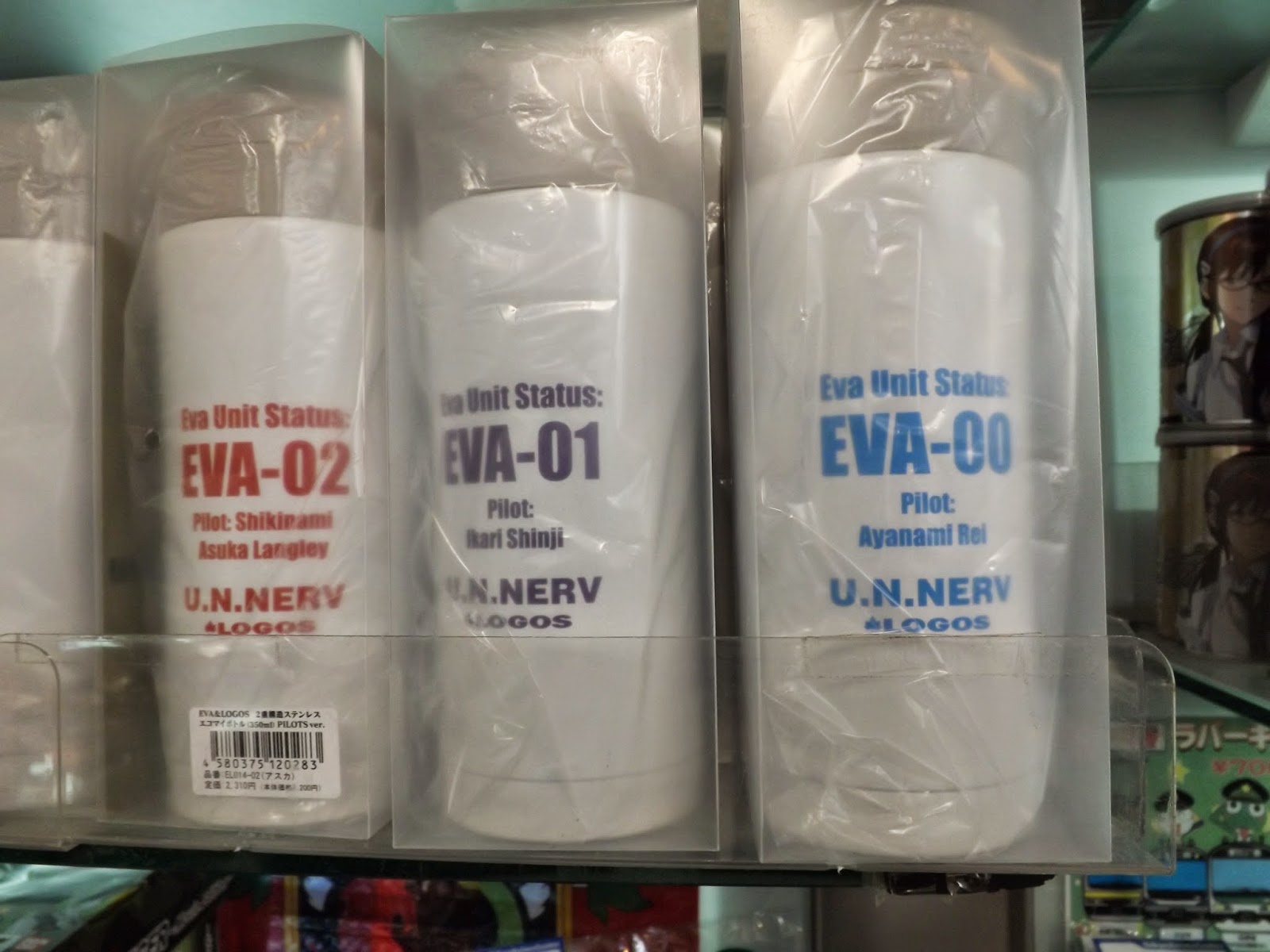
Otaku GoodsIn the last decade, Akihabara has emerged as a center of Japanese Otaku and Anime culture, and dozens of stores specializing in anime, manga, video games, figurines, card games and collectibles have filled the spaces between the electronic stores. In addition, various other animation related establishments have become popular in the area, like maid cafes, where the waitresses dress up and act like maids or anime characters; and manga kissaten, internet cafes where you can read manga and watch DVDs and also have internet access.
Electronic GoodsAs far as electronic goods is concerned, there's hundreds of electronic shops, from the smallest to the most popular stores. They offer everything from the newest computers, cameras, TVs, phones, electronic pats and also home appliances, to secon-hand goods and electronic junk.Chain stores like Sofmap and Laox operate multiple specialized branches along the main roads, but you can also find smaller, independent stores in the side streets. Several stores feature a selection of international models, intended for overseas use, and most also offer tax free shopping to foreign tourists on purchases over 10,000 yen (passport required).
February 20, 2014
The Great Wall Of China - Badaling (I)


Many of you may not know this but, the Great Wall Of China isn't actually a whole wall. There are several parts of the wall in China (in the North of China) and this part, Badaling, is the most famous one. It was promoted as as national key and cultural relic. In 1988 was enlisted in the World Cultural Heritage Directory by UNESCO but only on July 7, 2007 gained the reputation of being among the New Seven Wonders of the World. Badaling is situated at over 70 km north from the city of Beijing and it was built during the Ming Dynasty (1368-1644). Badaling is over 7,000 meters high and the total length one can visit is 3,700 meters (some parts are closed to visitors).
The usual price is 45 yuan (5€/$7) during high season (April 1 - October 31) and 40 (4,78€/$6,58) yuan during low season (November 1 - March 31) but with student ID the price is 25 yuan (3€/$4).
Subscribe to:
Posts (Atom)